

The biobank stores blood samples and related health information that will be used for medical research, disease prevention, and the development of personalized medicine. It is the only population-based biobank of its kind in Lithuania, operating at the Faculty of Medicine of Vilnius University and belonging to the European biobanking network BBMRI-ERIC.
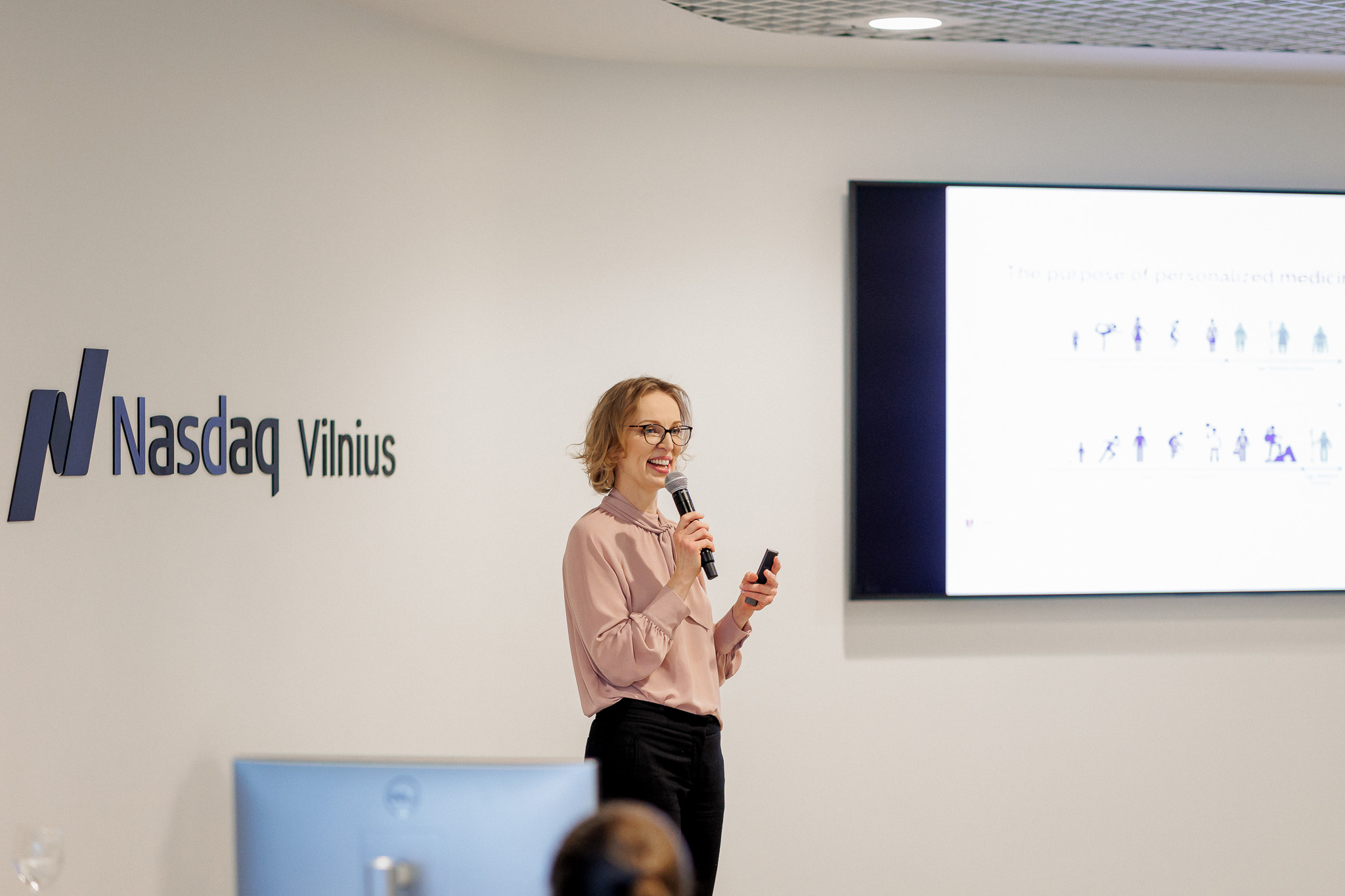
According to the head of the biobank, Dr. Giedrė Kvedaravičienė, the first year of operation was particularly important, as it allowed the establishment of key processes and laid a solid foundation for further development. Applications for the first scientific studies have already been received, and the available data enables initial insights. It is expected that the importance of the biobank will continue to grow, and that the accumulated data will contribute to significant improvements in the healthcare system.
The long-term goal of the biobank is to build as large a collection of biological samples as possible, representing the entire population of Lithuania. Within five years, it aims to reach 10,000 participants. Currently, about 11% of this target has already been achieved, and public engagement is steadily increasing - not only individuals and families, but also organizations and company teams are joining the initiative.
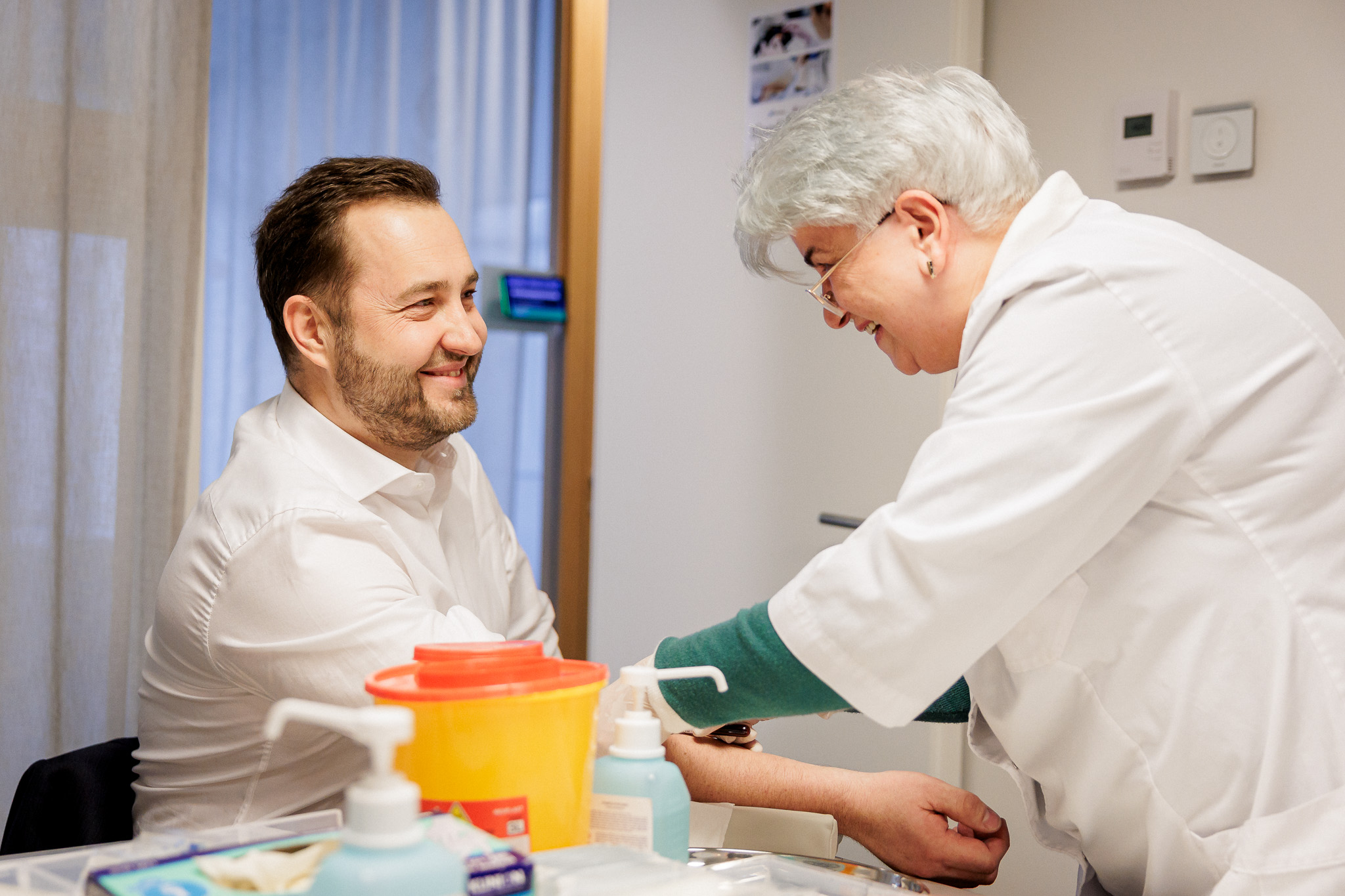
To mark the biobank’s first anniversary, the “Nasdaq Vilnius” team also joined the initiative. With a symbolic stock exchange bell ringing, residents were invited to “invest in their health.” According to the exchange’s president, Gediminas Varnas, participation in the biobank is an investment in scientific progress and a healthier future for society.
Professor Dalius Jatužis, Dean of the Faculty of Medicine at Vilnius University, emphasizes that the biobank provides every resident with a real opportunity to contribute to the advancement of medical science. The collected data will help not only to better understand diseases, but also to develop more effective prevention and treatment methods, as well as improve quality of life as life expectancy increases.
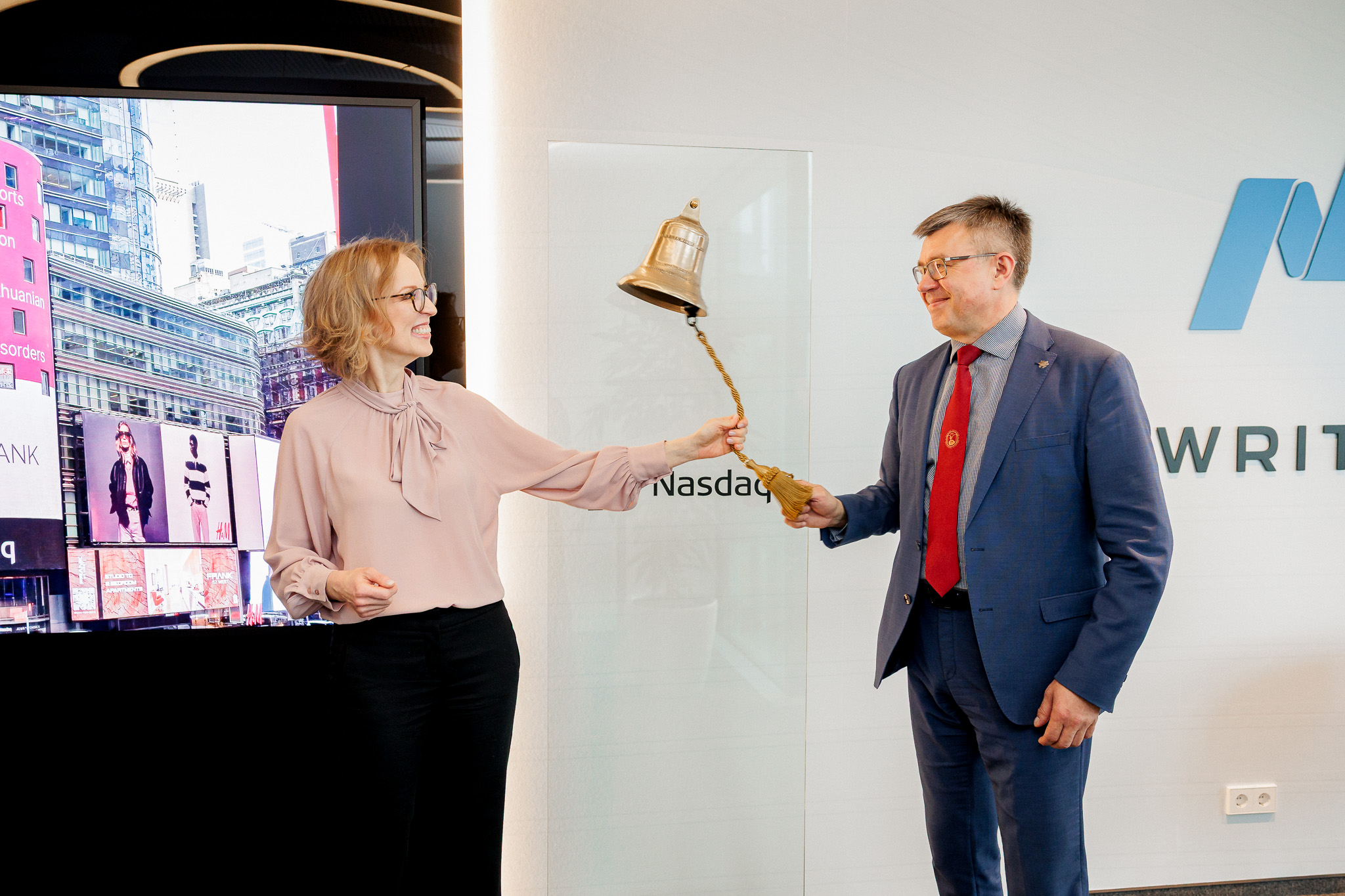
All residents - both adults and children - are invited to become biobank participants. The blood collection procedure is simple and quick, and each sample is divided into approximately 30 separate parts, which are stored at very low temperatures and used for scientific research.
Although the biobank is still in its early stages, significant progress is already evident, particularly in data management and standardization. Growing expertise and achieved results are being recognized internationally, and the Lithuanian biobank is increasingly invited to participate in expert discussions across Europe.
It is expected that increasing public involvement will allow the biobank to expand further in the coming years and strengthen its role in developing a more advanced, personalized, and effective healthcare system in Lithuania.
Read more here: https://www.lrt.lt/naujienos/mokslas-ir-it/11/2884417/ateities-medicina-kaip-vos-40-ml-donuoto-kraujo-prisides-prie-jusu-ir-vaiku-sveikatos


