


A large-scale interdisciplinary project aimed at improving rare disease diagnostics through artificial intelligence is being implemented by Vilniaus universiteto ligoninė Santaros klinikos, Vilniaus universitetas faculties, the State Data Agency, and the Lithuanian Population and Rare Diseases Biobank.
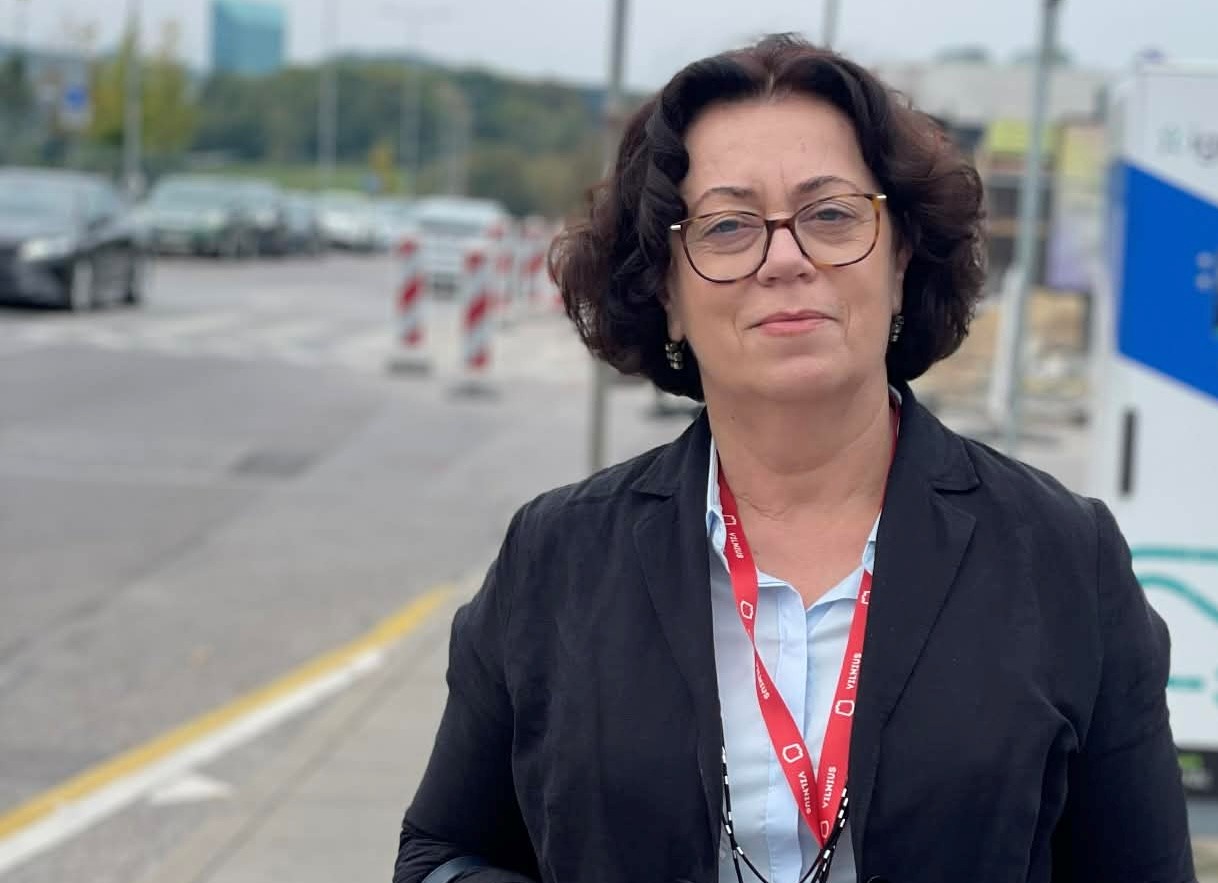
“Our goal is to develop artificial intelligence models that will assess an individual’s risk of developing Alport syndrome based on population-level data. Although the primary objective is to create recognition systems for Alport spectrum conditions, we expect to evaluate the potential of similar models for other rare diseases as well,” says Rimantė Čerkauskienė, Professor at the Faculty of Medicine of Vilnius University and Coordinator of the Rare Diseases Coordination Center at Santaros Clinics.
Alport syndrome is a hereditary kidney disease accounting for approximately 1–2% of end-stage chronic kidney disease cases. The condition often presents with non-specific symptoms in childhood and is therefore frequently diagnosed late.
“Like many rare diseases, Alport syndrome manifests with non-specific signs in childhood, while symptoms become more apparent later in life, which is why it is often diagnosed late. In addition, diagnosis usually requires expensive specialized tests,” Prof. Čerkauskienė notes.
During the project, routinely collected health data stored within the national healthcare system will be analyzed, and AI tools will be used to identify individuals who have not yet been diagnosed but are at increased risk.
“Using health data collected by the State Data Agency, we aim to identify specific patients who have an elevated risk of developing Alport syndrome. This is a unique study in every respect, and the experience gained will be applicable to the development of diagnostic models for other rare diseases,” says Dr. Giedrė Kvedaravičienė, Director of the Lithuanian Population and Rare Diseases Biobank.

According to her, delayed diagnosis remains one of the greatest challenges in the field of rare diseases. “On average, it takes five to seven years for a patient to receive a rare disease diagnosis. These are years that people simply lose, as in many countries we still lack data-driven, population-level solutions,” Dr. Kvedaravičienė emphasizes.
In Lithuania, rare diseases affect approximately 3.5–5.9% of the population, amounting to more than 100,000 people. Around 70% of rare diseases manifest in childhood, and about 80% are of genetic origin. In 2024–2025, Santaros Clinics diagnosed a rare disease for the first time in 435 children and more than 1,500 adults.
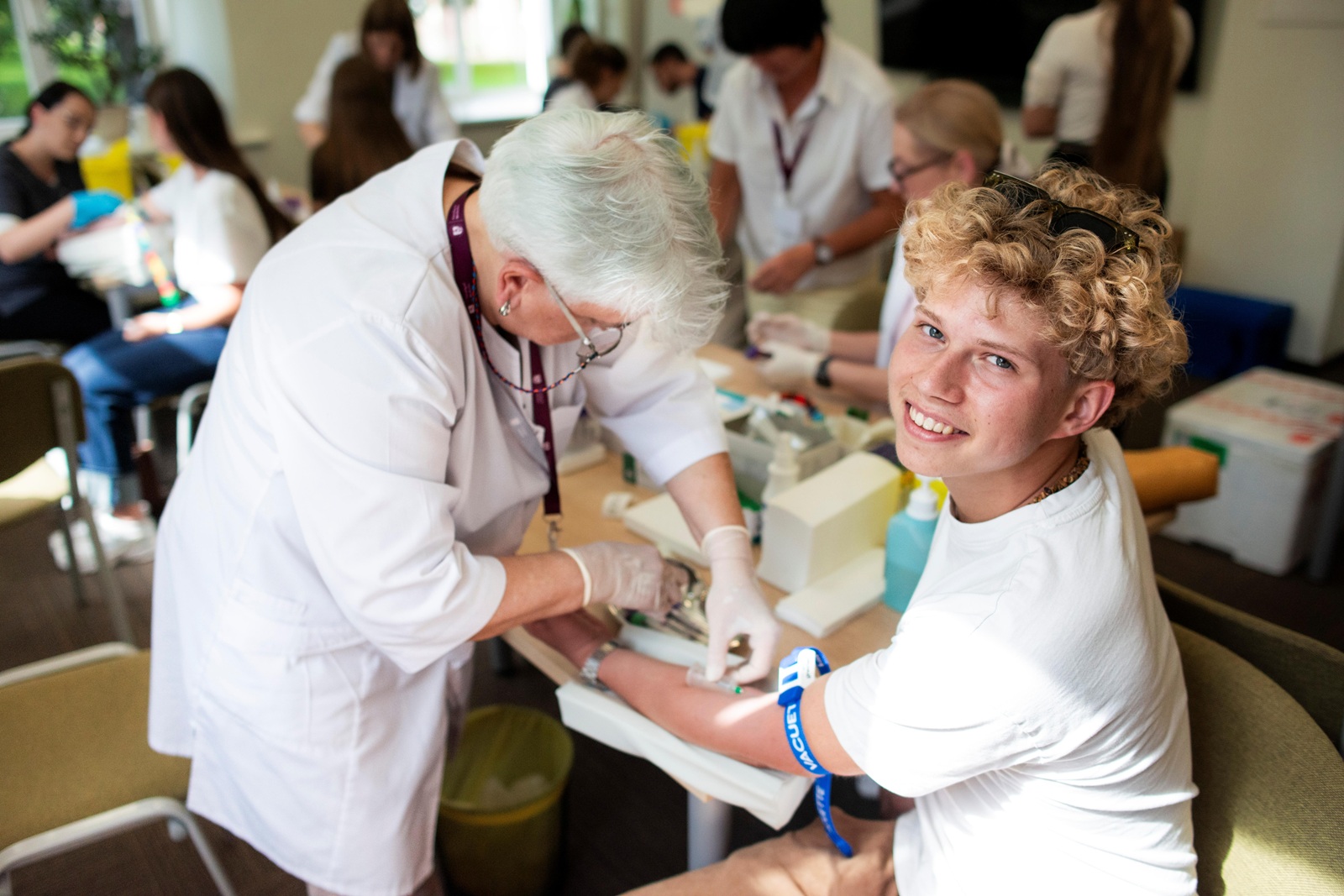
“That is precisely why biobanks are so important. The biological samples and data stored in them help scientists better understand disease causes, identify new disease-causing genes, develop more accurate diagnostic methods, and search for more effective treatments. Every sample contributes to scientific progress and offers greater hope to future patients,” Prof. Čerkauskienė concludes.
You can read the full publication here:
https://www.lrt.lt/naujienos/sveikata/682/2852258/retu-ligu-diagnostika-lietuvoje-kuriamas-di-modelis-padesiantis-nustatyti-paveldima-liga


