
First-Ever Lithuanian Biobanks Forum Held

2025-10-05
First-Ever Lithuanian Biobanks Forum Held

The first Lithuanian Biobanks Forum was held at the Vilnius University Medical Science Centre, where a fully operational national biobank infrastructure was presented. It provides a practical foundation for developing new diagnostic and treatment methods, strengthening the healthcare system, and advancing personalized medicine in Lithuania.

The Lithuanian Biobank Network consists of eight licensed biobanks that collect biological samples and health data from both healthy individuals and patients with various diseases. All of them are members of the international BBMRI-ERIC network, opening opportunities for Lithuanian researchers to participate in international studies.



According to Dr. Giedrė Kvedaravičienė, Director of the Biobank of Lithuanian Population and Rare Disorders, a collaboration-based biobank network is crucial both for preparedness for future pandemics and for addressing challenges related to chronic diseases. The developed infrastructure enables faster and more accurate analysis of health data and the provision of scientifically grounded recommendations based on data from the Lithuanian population.

Dr. Živilė Gudlevičienė, representative of the National Cancer Institute, emphasizes that medical science cannot progress without biobanks. Lithuania already has a comprehensive biobank system that enables high-level scientific research and contributes to the development of a more effective healthcare system.
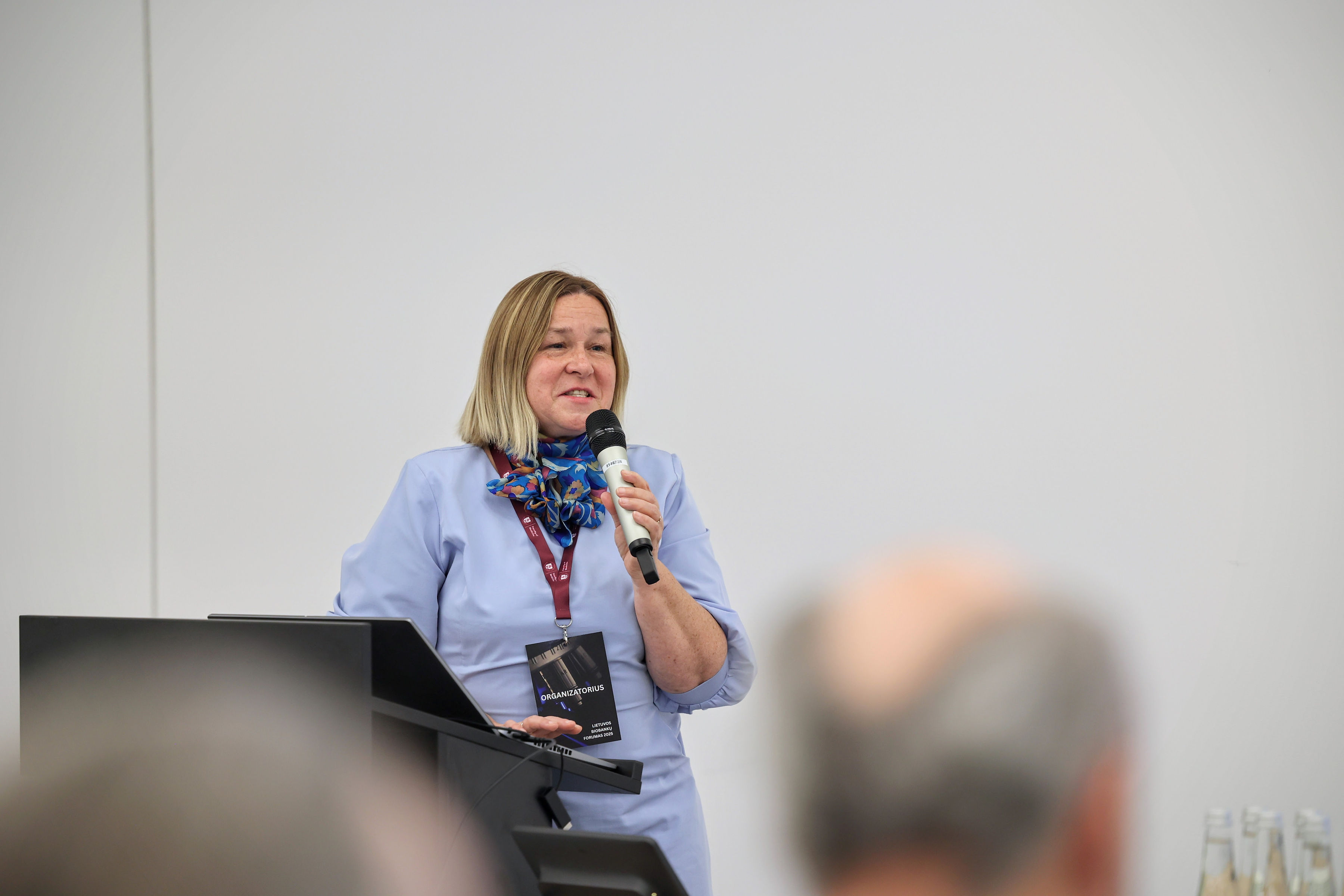


Scientists and business representatives agree that the success of biobanks depends on public trust and active participation through the donation of biological samples. The greater the public involvement, the more opportunities arise for advances in medical science.

The forum brought together, for the first time, all major Lithuanian biobanks, government institutions, scientists, healthcare professionals, patient organizations, and international experts, who shared their experience on the role of biobanks in modern medicine.

 

Other news

The Lithuanian Population and Rare Disorders Biobank celebrated its first anniversary
2026-04-07

The Lithuanian Population and Rare Disorders Biobank celebrated its first anniversary

The Lithuanian Population and Rare Disorders Biobank, marking its first anniversary, has reached an important milestone - more than 30,000 biological samples have been collected. These were derived from blood donated by over a thousand residents of the country. Another thousand people have already registered to become biobank participants in the near future.

The Biobank of Lithuanian Population and Rare Disorders Director Appointed as Lithuania's Representative to the COST Science Diplomacy Network
2026-03-10

The Biobank of Lithuanian Population and Rare Disorders Director Appointed as Lithuania's Representative to the COST Science Diplomacy Network

The Director of the Lithuanian Population and Rare Disease Biobank, Dr. Giedrė Kvedaravičienė, has been appointed as Lithuania's representative to SiDnet – a COST Action network dedicated to advancing science diplomacy as a tool for addressing global geopolitical challenges through international scientific collaboration.

February 28 – International Rare Disease Day: As the Number of Patients Increases, Lithuania to Develop Artificial Intelligence Models for Rare Disease Diagnostics
2026-02-27

February 28 – International Rare Disease Day: As the Number of Patients Increases, Lithuania to Develop Artificial Intelligence Models for Rare Disease Diagnostics

Artificial intelligence models will be developed in Lithuania to assess an individual’s risk of developing Alport syndrome based on national health data. Alport syndrome is a hereditary kidney disease that can lead to kidney failure as well as vision and hearing impairment. It is one of approximately 8,000 currently known rare but highly complex diseases, the Lithuanian Population and Rare Diseases Biobank announced on the eve of International Rare Disease Day, observed on Saturday. New opportunities for improving rare disease diagnostics will also be provided by the population-based biobank established last year.